
Shule Kwanza, Ajira Baadae
Back 2 School
The Campaign, “Shule Kwanza, Ajira Baadae”
Works to identify vulnerable children, return them to school, support families, and protect children from exploitation through education, awareness and community action
A CHILD OUT OF SCHOOL IS A CHILD AT RISK
Many children leave school because of:
Survival strategy
Poverty
Large family
Hidden costs of schooling
Poor parental care
Early pregnancies/ marriage
Since the launch of our interventions
200+
Children supported to return to school
500+
Families reached through awareness
1000+
School materials distributed
Educational Programs
-
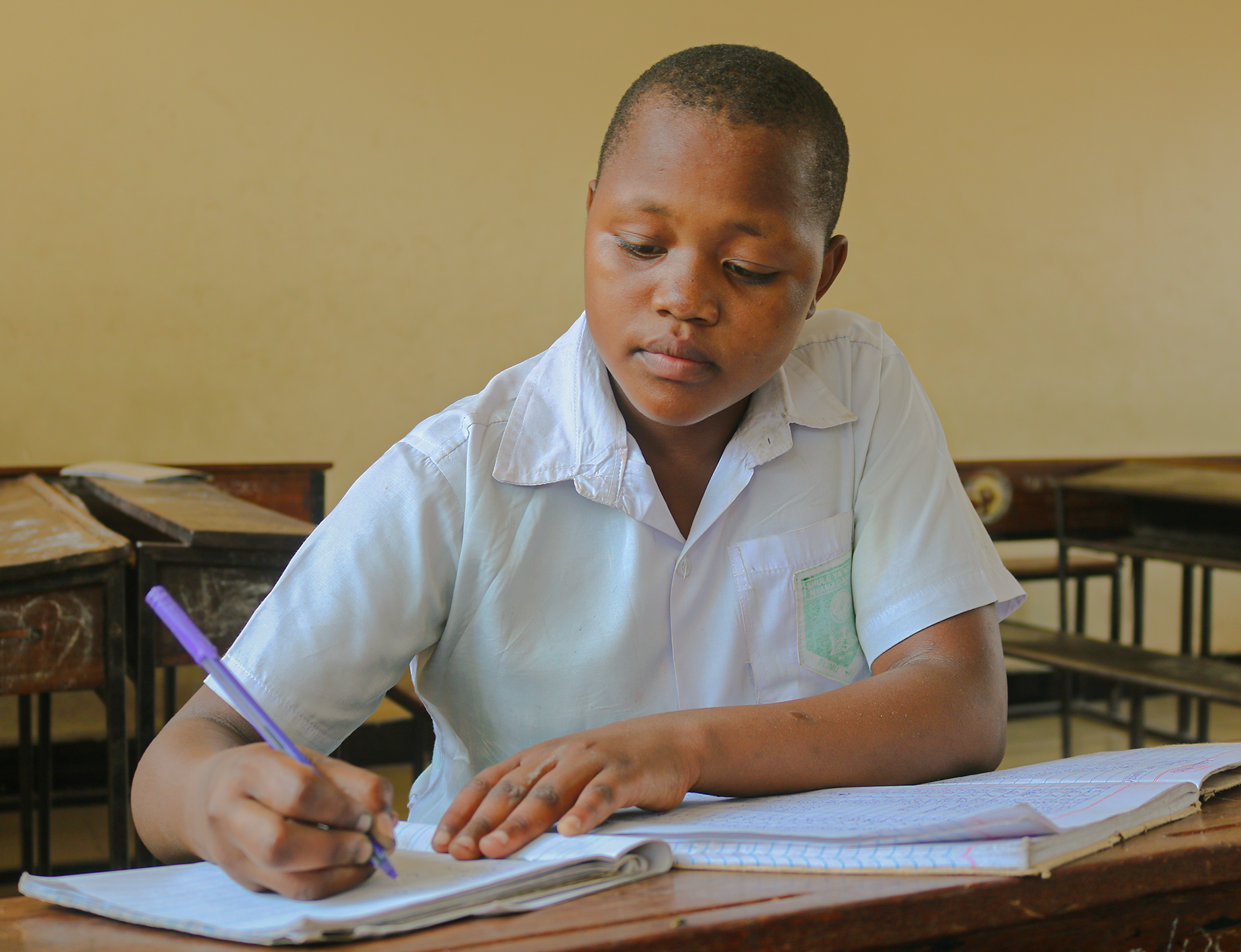
To promote education advocacy and awareness, WoteSawa has established 25 school clubs in Ngara and Kasulu districts. These clubs provide safe spaces for students to learn about child rights, the dangers of child labour and human trafficking, and the importance of education. Led by peer educators and supported by trained teachers, these clubs have reached 1,303 students, fostering leadership and raising awareness among young people.
-
WoteSawa runs vocational training programs in each of its safehouse offices, targeting both rescued survivors and vulnerable youth in surrounding communities. The training equips participants with practical skills in areas such as tailoring, hand-crafts, and entrepreneurship, while also building self-confidence and independence, reducing the likelihood of re-exploitation.
-
Recognizing that poverty drives child labour and school dropout, WoteSawa provides livelihood support to parents and caregivers. Through agro-ecology and small-scale entrepreneurship projects, families gain sustainable income-generating skills, enabling them to meet household needs including school costs without relying on children’s earnings. This support strengthens parental commitment to education and helps break the intergenerational cycle of poverty and exploitation.
-
WoteSawa leads national and local advocacy initiatives promoting children’s right to education. Its flagship campaign, “Shule Kwanza, Ajira Baadae” (School First, Work Later), encourages parents, employers, and communities to prioritize schooling over child labour. Through media, school visits, and community dialogues, the campaign challenges harmful social norms and encourages accountability in reporting cases of child exploitation.
-
WoteSawa ensures that rescued and vulnerable children access education by covering school fees and providing essential learning materials, including uniforms, books, and stationery, removing financial barriers that might otherwise prevent school attendance.